Most people treat probate like a taboo subject until a death certificate lands on their kitchen table. If you just lost a loved one, or if you're trying to figure out what happens to your own assets down the road, the legal jargon can feel like a lot. You might have heard horror stories about estates tied up in court for years or greedy lawyers draining bank accounts.
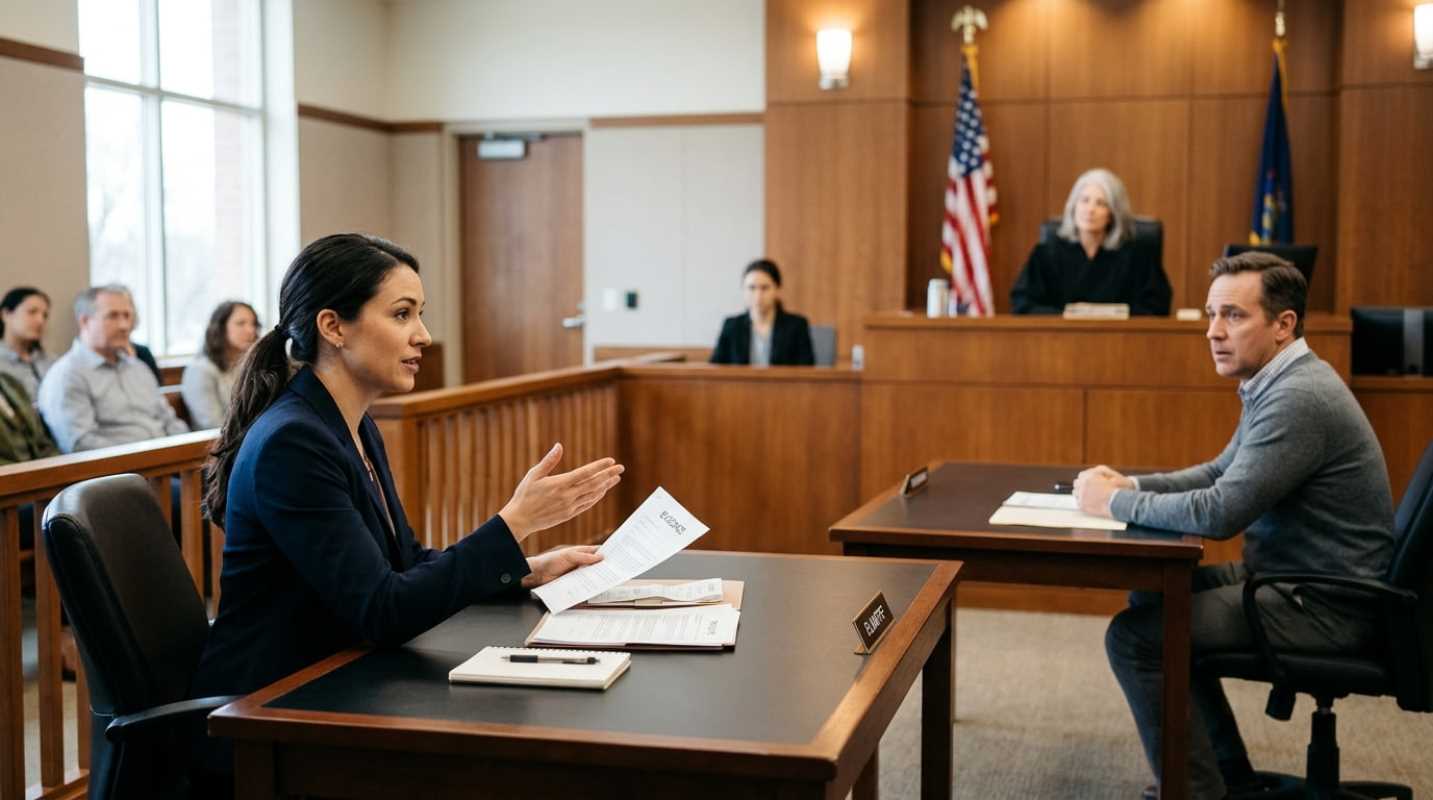
Let's clear the air. Probate is simply the formal court process that wraps up someone's financial life after they die. The court makes sure a will is valid, accounts for all property, pays off remaining debts, and distributes whatever is left to the rightful heirs. If there isn't a will, state intestacy laws step in to decide who gets what.
Here is the surprising part. Only 32% of American adults have a will.¹ In fact, roughly 40% of people without one say they skip the process simply because they believe they do not have enough assets to bother.³ That is a dangerous gamble. Without clear legal instructions, default state rules dictate who raises your minor children and who inherits your savings.
Think of probate as a financial clearinghouse. It exists to protect everyone involved, including creditors who are owed money and heirs who deserve an orderly transfer of title. Once you understand the mechanics, the entire experience feels much more manageable.
Demystifying the Probate Process
One of the biggest misconceptions out there is that having a will keeps you out of probate court. It doesn't. A will is really just an instruction letter to the probate judge. It tells the court, "Here is who I want in charge, and here is where I want my things to go." The court still has to validate the document, review the assets, and officially transfer ownership.
Another common fear is that the government will seize your property. That rarely happens. Unless you die with zero living relatives and no estate plan, your property will go to your family. The state only steps in to direct traffic.
The real downside of probate isn't government confiscation. It is the loss of privacy. Every single document filed in probate court becomes a matter of public record. Anyone can pull up the court docket and see what assets you owned, what debts you carried, your home address, and the names of your beneficiaries.
The Executor Roadmap and Your Core Responsibilities
If someone named you as the executor in their will, or if the court appoints you as an estate administrator, you are stepping into a fiduciary role. That is a legal term with serious weight. It means you must act with the highest degree of honesty, loyalty, and care.
If you cut corners, pay yourself first, or hand out family heirlooms before settling legitimate hospital bills, you can be held personally liable. Creditors can sue you directly to get their money back. Staying organized is your best defense.
As an executor, you'll tackle several core responsibilities
• Securing the property: You need to change the locks on real estate, forward the decedent's mail, store vehicles safely, and safeguard digital accounts.
• Gaining legal authority: You must petition the local probate court to receive your Letters Testamentary. This court order is the golden ticket that allows you to access bank accounts and talk to financial institutions.
• Setting up estate banking: You will apply for an Employer Identification Number from the IRS and open a dedicated estate checking account. Never mix estate funds with your personal money.
• Cataloging and appraising: You must locate every bank account, investment balance, piece of jewelry, and parcel of real estate. Independent appraisers often need to value physical assets as of the exact date of death.
• Filing final taxes: You are responsible for filing the decedent's final personal tax return on Form 1040. If the estate earns income above $600 while probate is open, you will also file an estate fiduciary return on Form 1041.
The Court Process and Timeline: What to Expect
Probate is rarely quick. Across the country, the average probate process takes between 16 and 20 months to cross the finish line.² Even if every heir gets along and nobody contests a single dollar, an estate usually sits open for 9 to 12 months.
Why does it take so long? Mandatory creditor waiting periods cause most of the delay. Once you open probate, you must publish a formal notice of death in a local newspaper and mail direct notices to known creditors. State laws give those creditors a window, typically anywhere from three to six months, to file formal claims against the estate. The court will not let you distribute money to heirs until that window shuts completely.
Legal and administrative expenses also add up. Total settlement fees, including court filing costs, attorney fees, appraisal bills, and executor compensation, generally consume 3% to 7% of the gross estate value.
How those fees are calculated depends heavily on your state
• Statutory fee states: Places like California and Florida use a sliding percentage based on the gross value of the estate. The court ignores mortgages. If a home has a fair market value of $800,000 but carries a $700,000 mortgage, the statutory legal fee is still calculated against the full $800,000. That can lead to tens of thousands of dollars in fees on an asset with very little actual equity.
• Reasonable fee states: In states like Texas, Illinois, and Ohio, attorneys bill by the hour or charge a flat administrative fee. This keeps costs much closer to the actual amount of work involved.
Managing an estate or building your own plan is far easier when you have the right tools in place.
Proven Approaches for Bypassing Probate
The best way to handle probate is to avoid it whenever possible. Proactive planning lets your family skip court hearings, dodge thousands of dollars in fees, and keep their financial affairs completely private.
You have several straightforward tools at your disposal
• Revocable living trusts: A living trust is like a legal container for your assets. You place your home, investment accounts, and valuable personal property into the trust while you are alive, serving as your own trustee. When you pass away, your chosen successor trustee takes the wheel and distributes the assets immediately, with zero court oversight.
• Beneficiary designations: Bank accounts, retirement portfolios, and life insurance policies allow you to name Transfer on Death or Payable on Death beneficiaries. When you die, the money goes straight to the named person upon showing a death certificate. Keep in mind that beneficiary forms override whatever is written in a will.
• Joint ownership with survivorship rights: Owning real estate or bank accounts as joint tenants with right of survivorship make sures that the surviving owner automatically absorbs full title upon the other owner's death.
• Transfer on death deeds: Over thirty states allow property owners to sign a deed designating who inherits their real estate after death, entirely outside probate court.
• Small estate procedures: If an estate holds very little property, most states allow heirs to use a simplified affidavit to claim assets. Like, California allows small personal property estates under $208,850 to clear through an affidavit without traditional probate.
Taking Control of Your Estate and Legacy
Probate is not an unavoidable trap, but it is the default path for anyone who leaves things to chance. Letting the court manage your legacy costs time, burns through hard-earned equity, and exposes your family's financial details to public scrutiny.
If you are an executor currently buried under paperwork, take it one step at a time. Secure the physical property, partner with a dependable probate attorney, and keep meticulous records of every expense.
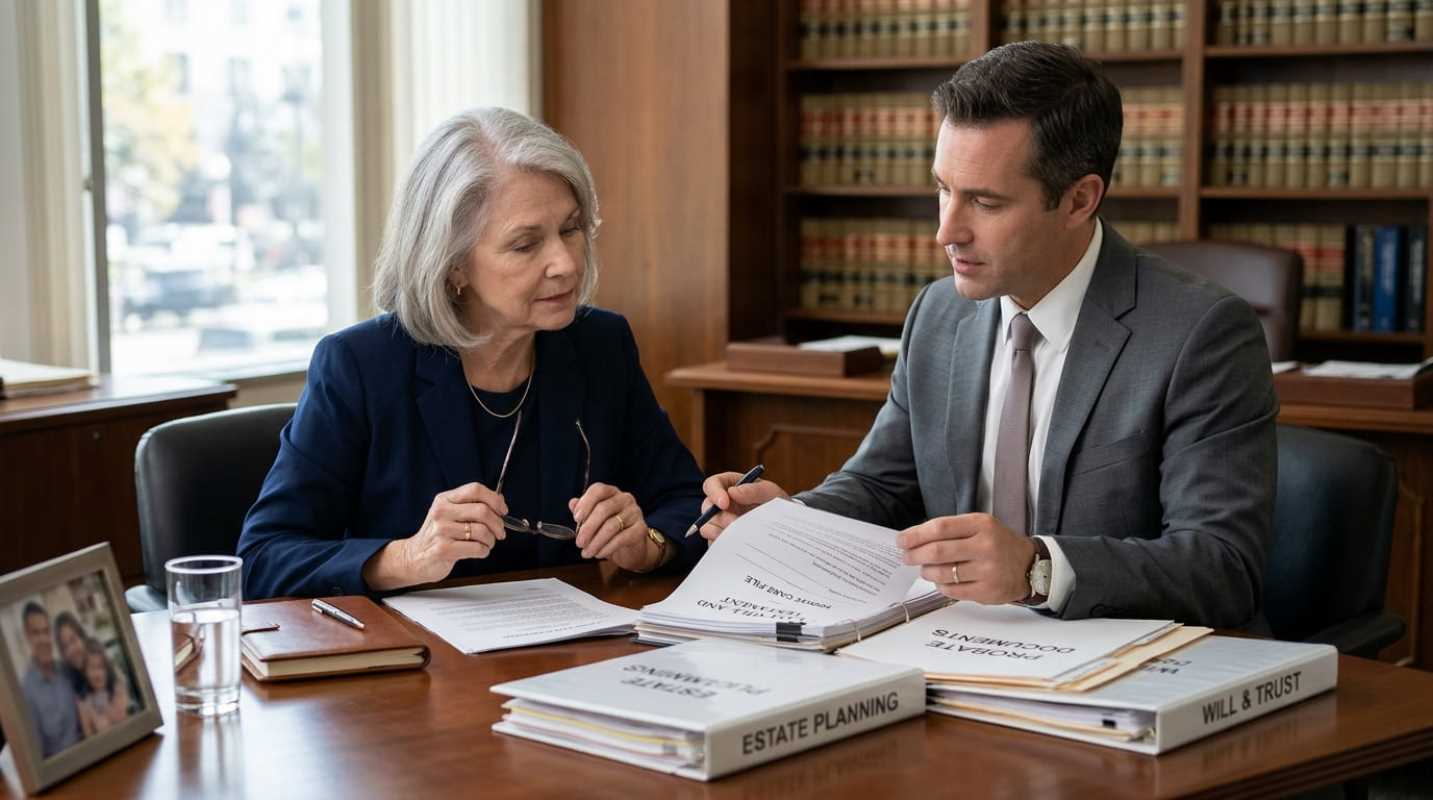
If you are planning your own estate, do not wait until a medical crisis strikes. Sit down with an estate planning attorney, fund a trust, update your beneficiary designations, and save your loved ones from a 16-month detour through the court system.
Sources:
1. Estate Planning in Decline
https://www.bottilaw.com/news/estate-planning-in-decline-new-data-shows-a-concerning-trend/
2. Powerful Statistics About Probate
https://www.daytonestateplanninglaw.com/powerful-statistics-probate/
3. 40% of People Say They Don't Have Enough to Make a Will
https://www.elderlawanswers.com/40-of-people-say-they-dont-have-enough-to-make-a-will-20292
*This article on Katiently is for informational and educational purposes only. Readers are encouraged to consult qualified professionals and verify details with official sources before making decisions. This content does not constitute professional advice.*