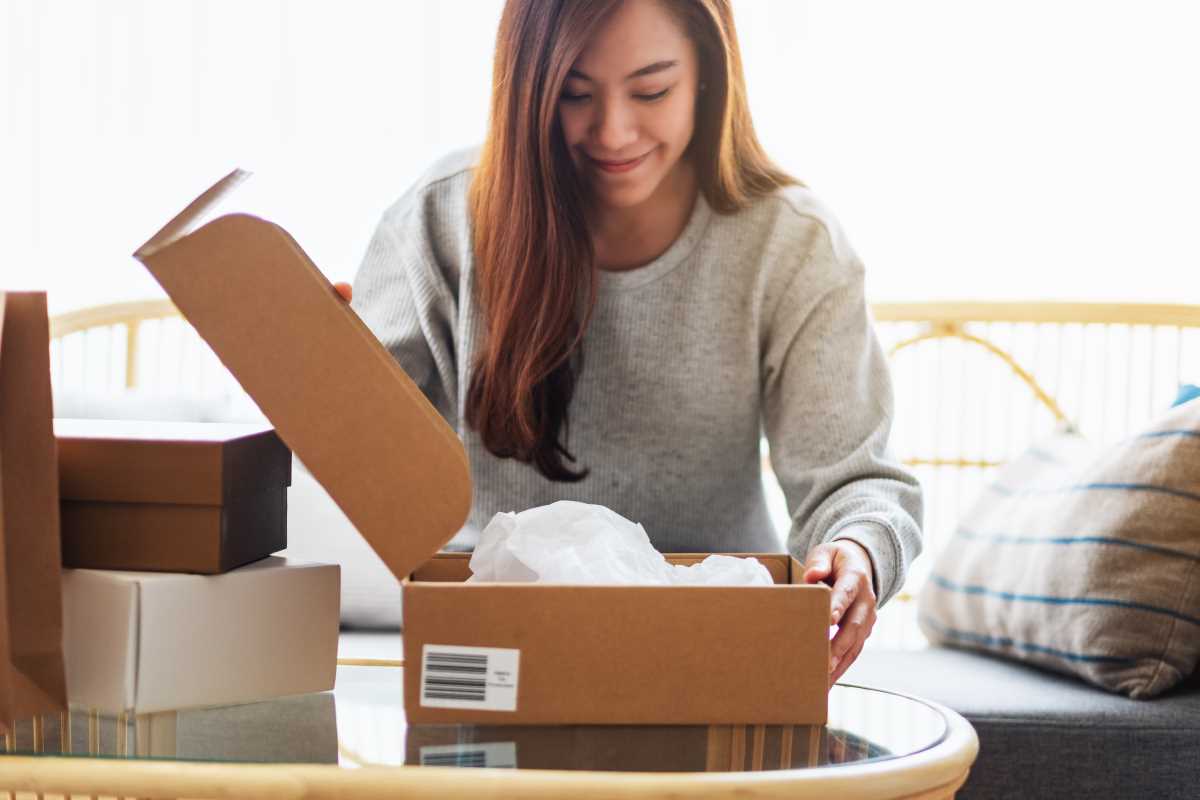
The final step of getting a product to a customer’s doorstep might be the shortest part of its journey, but it's often the most expensive and complicated. This crucial stage, known as last-mile delivery, involves moving goods from a transportation hub to their final destination, and it’s a process filled with potential inefficiencies that can quietly eat away at a company's profits. For any business that ships products directly to consumers, understanding and tackling these challenges is essential for maintaining healthy margins and keeping customers happy.
Last-mile delivery is surprisingly costly, accounting for over 50% of total shipping expenses in many cases. When this final leg of the supply chain isn't optimized, those costs can spiral, directly impacting your bottom line. Let's explore the common inefficiencies plaguing last-mile delivery, how they hurt your business, and what you can do to fix them.
The Biggest Challenges in Last-Mile Delivery
Getting a package from a local warehouse to a customer's front door seems simple enough, but several factors make it a complex logistical puzzle. These challenges are the root cause of most inefficiencies and high costs.
High Customer Expectations
Today's consumers expect fast, cheap, and sometimes even free shipping. The rise of e-commerce giants has set a high bar, making next-day or even same-day delivery the new standard. Meeting these expectations puts immense pressure on businesses to speed up their processes, often at a significant cost. Offering free shipping means the business has to absorb the full expense of that delivery, making any inefficiency even more damaging to profitability.
Inefficient Route Planning
One of the most significant operational hurdles is poor route planning. Sending drivers out without an optimized route leads to wasted time, excess fuel consumption, and higher labor costs. A driver might backtrack across town, get stuck in predictable traffic, or take a longer-than-necessary path between stops. Without the right technology, creating the most efficient multi-stop route for dozens or even hundreds of packages is nearly impossible for a human to do manually.
Failed Deliveries
A failed delivery attempt is a costly problem. When a customer isn't home to receive a package that requires a signature, or if the driver can't access the property, the item has to be returned to the hub. This doesn't just double the delivery cost for that single package; it also creates a poor customer experience. The package must then be stored, processed again, and sent out on another delivery run, compounding expenses and logistical headaches.
Urban Congestion and Accessibility
Delivering in dense urban environments presents a unique set of challenges. Traffic congestion slows drivers down, increasing fuel costs and the time spent per delivery. Finding parking can be a nightmare, forcing drivers to park far from the delivery location or risk getting a ticket. Furthermore, navigating large apartment complexes or office buildings to find the right unit adds minutes to each stop, which quickly adds up over a full day of deliveries.
Lack of Real-Time Visibility
When a business and its customers can't see where a package is in real time, it creates uncertainty and frustration. Customers may flood support lines asking for updates, increasing operational costs. From a management perspective, a lack of visibility means you can't proactively address delays or reroute drivers in response to unexpected events like traffic jams or road closures. You're essentially flying blind, unable to make smart, on-the-fly decisions to improve efficiency.
The Impact on Your Business Margins
These last-mile challenges aren't just minor annoyances; they have a direct and measurable impact on your company's financial health. Every inefficiency chips away at the profit margin of each product sold.
First, there are the direct costs. Inefficient routes mean you spend more on fuel and vehicle maintenance. Failed deliveries double your shipping expenses for a single order. Paying drivers for the time they spend sitting in traffic or searching for an address also drives up labor costs. These operational expenses can quickly accumulate, turning a profitable sale into a loss.
Second, a poor delivery experience can damage your brand's reputation and lead to customer churn. A late package or a missed delivery can be the difference between a repeat customer and a one-star review. In a competitive market, customer loyalty is invaluable. Acquiring a new customer is far more expensive than retaining an existing one, so losing customers over correctable delivery issues is a significant financial blow.
Finally, inefficiencies tie up your resources. Staff members spend time handling customer complaints about shipping, and warehouse space is occupied by returned packages that need to be re-processed. This diverts your team's focus from more productive activities like sales, marketing, and product development.
Solutions to Improve Last-Mile Efficiency
The good news is that these problems are solvable. With the right strategies and technology, businesses can streamline their last-mile operations, reduce costs, and enhance the customer experience.
1. Invest in Route Optimization Software
This is perhaps the single most impactful solution. Modern route optimization software uses advanced algorithms to plan the most efficient multi-stop routes in seconds. It considers factors like traffic patterns, delivery time windows, vehicle capacity, and driver schedules to minimize travel time and fuel consumption. This technology automates a complex task, reduces planning time, and ensures your drivers are on the best possible path every day.
2. Implement Real-Time Tracking and Communication
Providing customers with real-time tracking links and automated delivery notifications is no longer a luxury—it's an expectation. This transparency reduces "Where is my order?" inquiries, freeing up your customer service team. It also allows you to manage your delivery fleet more effectively. With GPS tracking, you can see your drivers' locations, monitor their progress, and react quickly to any delays or issues that arise on the road.
3. Offer Flexible Delivery Options
Instead of a one-size-fits-all approach, give customers more control over their deliveries. Offering options like designated delivery windows, pickup from a local locker or retail partner (BOPIS - Buy Online, Pickup In-Store), or the ability to reschedule a delivery can dramatically reduce the rate of failed attempts. When customers can choose a time they know they'll be home, it benefits both them and your bottom line.
4. Leverage Data Analytics
Your delivery operations generate a wealth of data. Use it. Analyze metrics like cost per delivery, on-time delivery rate, time spent at each stop, and successful delivery attempts. This data can reveal hidden inefficiencies and highlight opportunities for improvement. For example, you might discover that a particular neighborhood consistently has high rates of failed deliveries, prompting you to experiment with different delivery strategies for that area.
5. Gather Customer Feedback
Don't forget to ask your customers about their delivery experience. A simple post-delivery survey can provide valuable insights. You might learn about specific issues, like drivers having trouble finding a certain apartment building or packages being left in unsafe locations. This direct feedback is a powerful tool for making targeted improvements that matter most to the people you serve.
A Strategic Imperative for Growth
Optimizing last-mile delivery is not just about cutting costs; it's a strategic move that enhances customer satisfaction and builds a more resilient business. By turning this challenging final step into a smooth and efficient process, you create a competitive advantage. Customers will remember the seamless experience and be more likely to order from you again.
As e-commerce continues to grow, the importance of the last mile will only increase. Businesses that proactively address its inefficiencies will be better positioned to protect their margins, scale their operations, and thrive in a competitive landscape. By embracing modern technology and customer-centric strategies, you can transform your delivery process from a costly burden into a powerful driver of loyalty and profitability.